Two markets, one direction of travel
On paper, Curaçao and Alberta have almost nothing in common. One is a small Caribbean island that spent two decades as the world's most permissive home for online gambling licenses; the other is a Canadian province that, until recently, funnelled all legal online play through a single government website. Yet within roughly eighteen months, both moved decisively in the same direction: toward tighter licensing, direct oversight, and a clearer line between operators that are accountable to a regulator and those that are not.
Looking at the two changes side by side is a useful way to understand what "stricter licensing" actually means once the announcements fade — because the practical effects land on players, not just operators.
What Curaçao changed
For years, Curaçao ran on a master-license model: a handful of master licensees held the real licenses and sold sub-licenses to thousands of operators, with little individual scrutiny. That system was cheap, fast, and the source of the island's reputation problem. The 2024 LOK reform ended it. A single authority — the Curaçao Gaming Authority — now issues licenses directly, sets anti-money-laundering and know-your-customer obligations, requires a compliance officer, and can suspend or revoke a license for breaches. The badge in a casino footer, in other words, is finally supposed to mean something specific.
What Alberta just did
Alberta's story runs in the opposite direction but arrives at a similar place. Rather than loosening a permissive regime, the province opened a closed one. On 13 July 2026 Alberta launched its regulated online market, allowing private operators to compete legally under provincial oversight for the first time — the second Canadian province to do so after Ontario in 2022. Operators now register with the regulator, follow rules on advertising and responsible gambling, and answer to an identifiable body rather than trading in a grey zone.
The common thread: from opaque to accountable
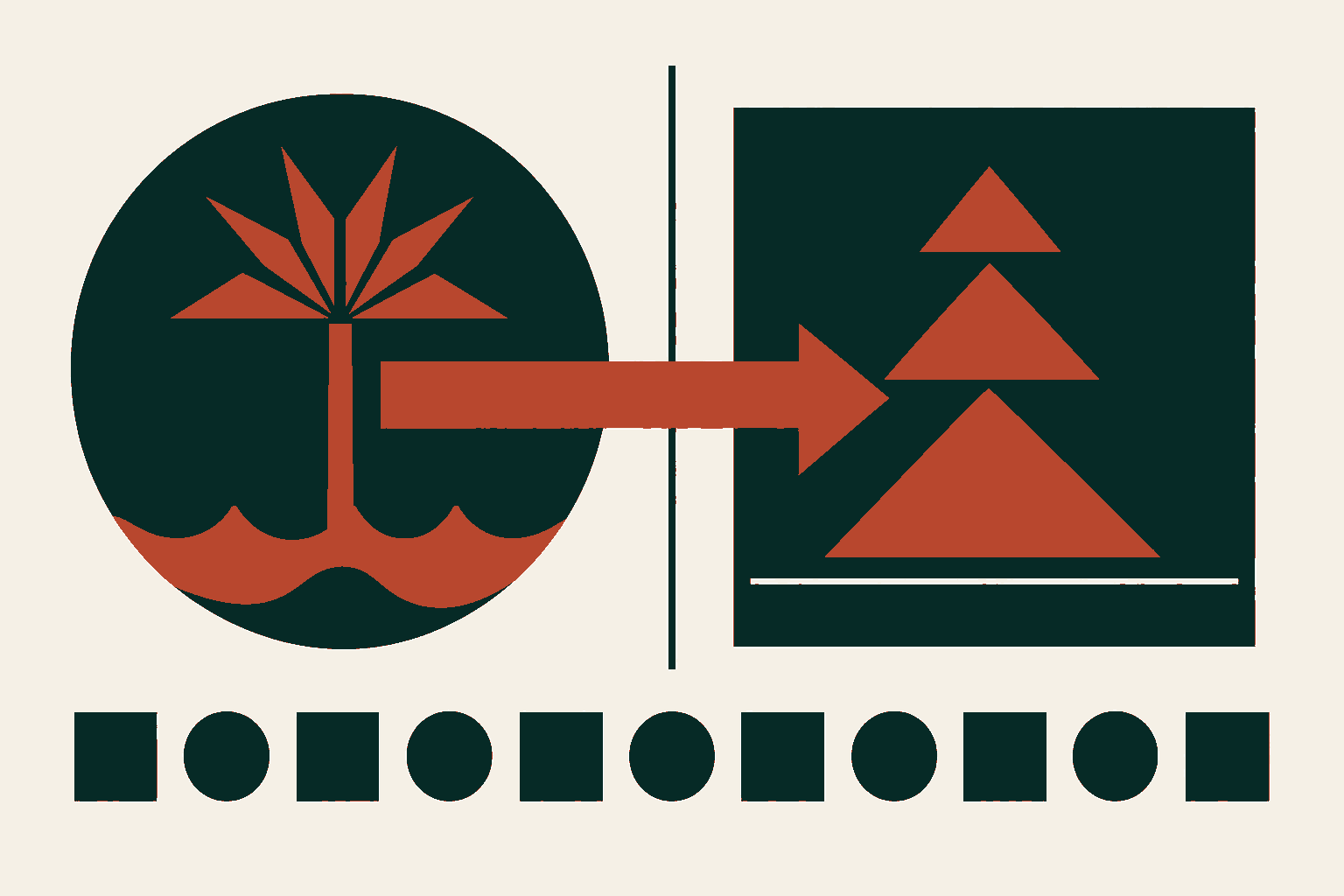
Strip away the geography and the mechanics rhyme. Both reforms replace ambiguity with a named regulator. Both make licensing a direct relationship between the operator and the state rather than something bought through an intermediary or sidestepped entirely. And both draw a sharper line: an operator is either inside the regulated system, with obligations it can lose, or outside it. For an industry long defined by jurisdiction-shopping, that move toward direct accountability is the real story — in the Caribbean and on the Prairies alike.
In one line: different starting points, same destination — whoever offers gambling should be answerable to a regulator that can be named and checked.
What stricter licensing means for players in practice
The theory is tidy; the practice is where it matters. Stricter licensing gives players a regulator to check with, a status they can verify, and a route to complain when something goes wrong. In Curaçao that means confirming a license is genuine and active before depositing — the point of learning how to verify a license rather than trusting a logo. In Alberta it means an operator's standing can be confirmed with the province, and its marketing has to stay within defined limits.
Best online casinos Alberta players can now reach legally have multiplied since the market opened, and the comparison roundups that follow any launch are a useful illustration of the practical side of regulation — for instance, a summary of the province's newly licensed operators is listed here. The caution is the same in both jurisdictions: a license, or a place on a list, is a floor to clear, not a guarantee of good treatment. Read the terms that affect withdrawals and wagering, and treat the regulator's own register as the source of truth.
Tighter rules also carry a public-health dimension that neither regime treats as an afterthought. Both Alberta's framework and Curaçao's reform pair licensing with responsible-gambling requirements, and players who feel their gambling is becoming a problem can find free, confidential support through CAMH.
Where the two regimes still differ
The parallels have limits. Alberta's market sits inside a mature Canadian regulatory tradition with consumer-protection machinery behind it; Curaçao's protections, even after the LOK, remain lighter than those of the strictest jurisdictions. A newly regulated province is not the same as a decades-old regulator, and a reformed Curaçao license still asks more of the player's own judgment. The convergence is in direction, not in depth — both are tightening, but they start from very different places and remain some distance apart.
The takeaway
Curaçao loosened nothing and Alberta banned nothing; both simply decided that gambling should run through a regulator that can be named and checked. That is the quiet trend linking 2024 and 2026. For players, the response is unchanged by geography: find out who licenses a site, confirm that license is real and current, and judge the operator on how it treats your money — not on the flag or the province in its footer.
Frequently asked
Are Curaçao's and Alberta's gambling reforms connected?
No — they are independent changes in different jurisdictions. What they share is direction: both replaced ambiguity with a single, identifiable regulator and made licensing a direct relationship between the operator and the state.
Did Alberta ban unregulated casinos?
Alberta opened a regulated market on 13 July 2026 that lets private operators register and compete under provincial oversight — the second province after Ontario. The practical shift for players is that a legal operator's standing can now be confirmed with the province rather than assumed.
Does stricter licensing make a casino safe?
It raises the floor, not the ceiling. A genuine, current license means the operator is authorised and supervised; it does not guarantee fast withdrawals or fair treatment in every dispute. Verify the license, read the terms that affect your money, and judge the operator on its conduct.